My StoryMy relationship with healthcare began long before I understood that it would eventually shape both my career and the creation of the Beharrie Healthcare Education Initiative.
I grew up surrounded by healthcare professionals. Through my parents and the people around them, I was exposed to the medical field from a young age and had the opportunity to see healthcare not only as a profession, but as a way of serving, teaching, and caring for others.
For most of my childhood, I did not realize how unusual that access was. It was simply the environment I knew. It was only later, as a college student pursuing my own path toward medicine, that I began to understand how many students wanted the same exposure but did not know where to find it.
My own journey in healthcare began at my father's pediatric nephrology practice, AAGA Medical Services. While I was still in high school, AAGA was transitioning from physical patient charts to electronic medical records. My older sister, who was working at the practice at the time, needed help scanning hundreds of patient records. I began helping with scanning and eventually learned some of the basics of medical billing from her.
Years later, while completing my associate degree, I returned to AAGA in a larger role and began working part-time at the front desk.
Reception taught me one of my earliest and most important lessons about patient care—one that I continue to share with BHEI students to this day: sometimes frustration is simply fear, stress, or helplessness presenting itself differently.
Initially, it was difficult not to take it personally when a parent called the office angry because an insurance company had denied their child's medication, an appointment was unavailable, or something had gone wrong. Over time, however, I began looking beyond the tone of the conversation. These were often parents dealing with a sick child while simultaneously navigating insurance companies, pharmacies, appointments, referrals, and everything else happening in their lives.
Instead of becoming frustrated in return, I began asking myself, What can I actually do to help this person?
Sometimes that meant calling an insurance company again after a prior authorization was denied. Sometimes it meant tracking down information from a pharmacy, hospital, laboratory, or another physician's office. I came to love watching a conversation change from frustration to appreciation simply because someone had taken the time to listen and help find a solution.
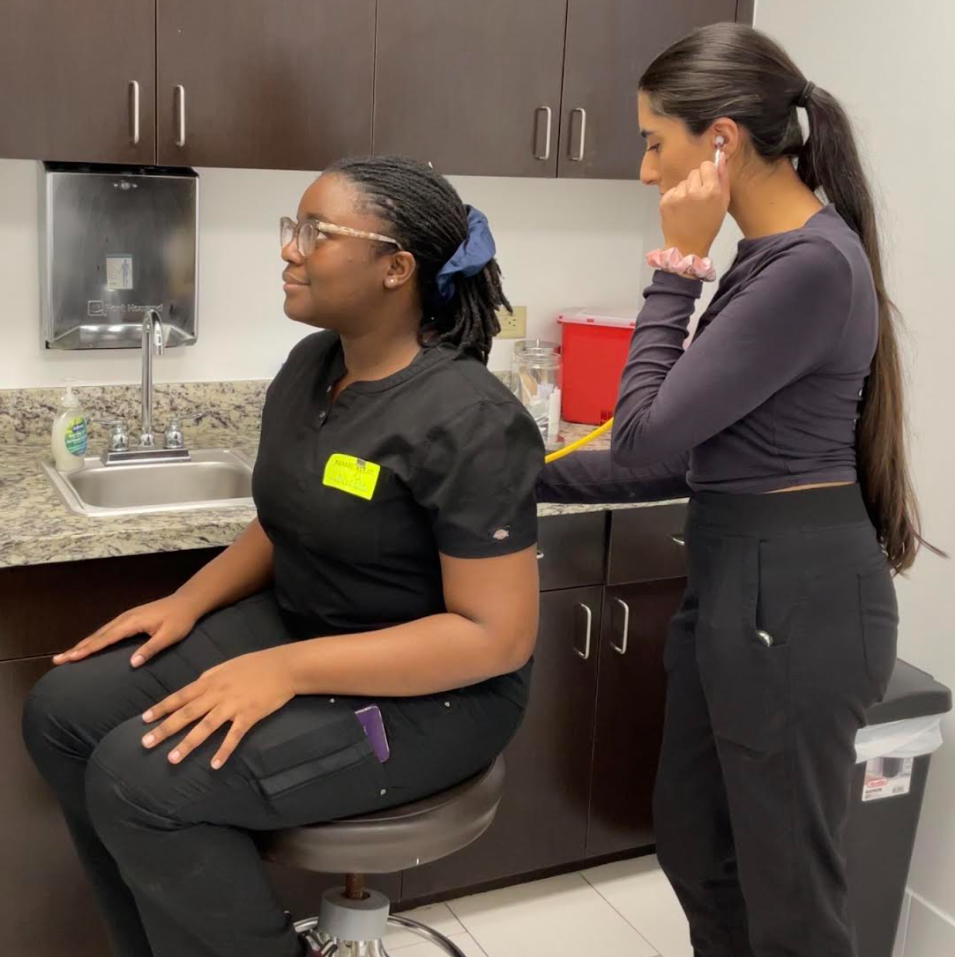
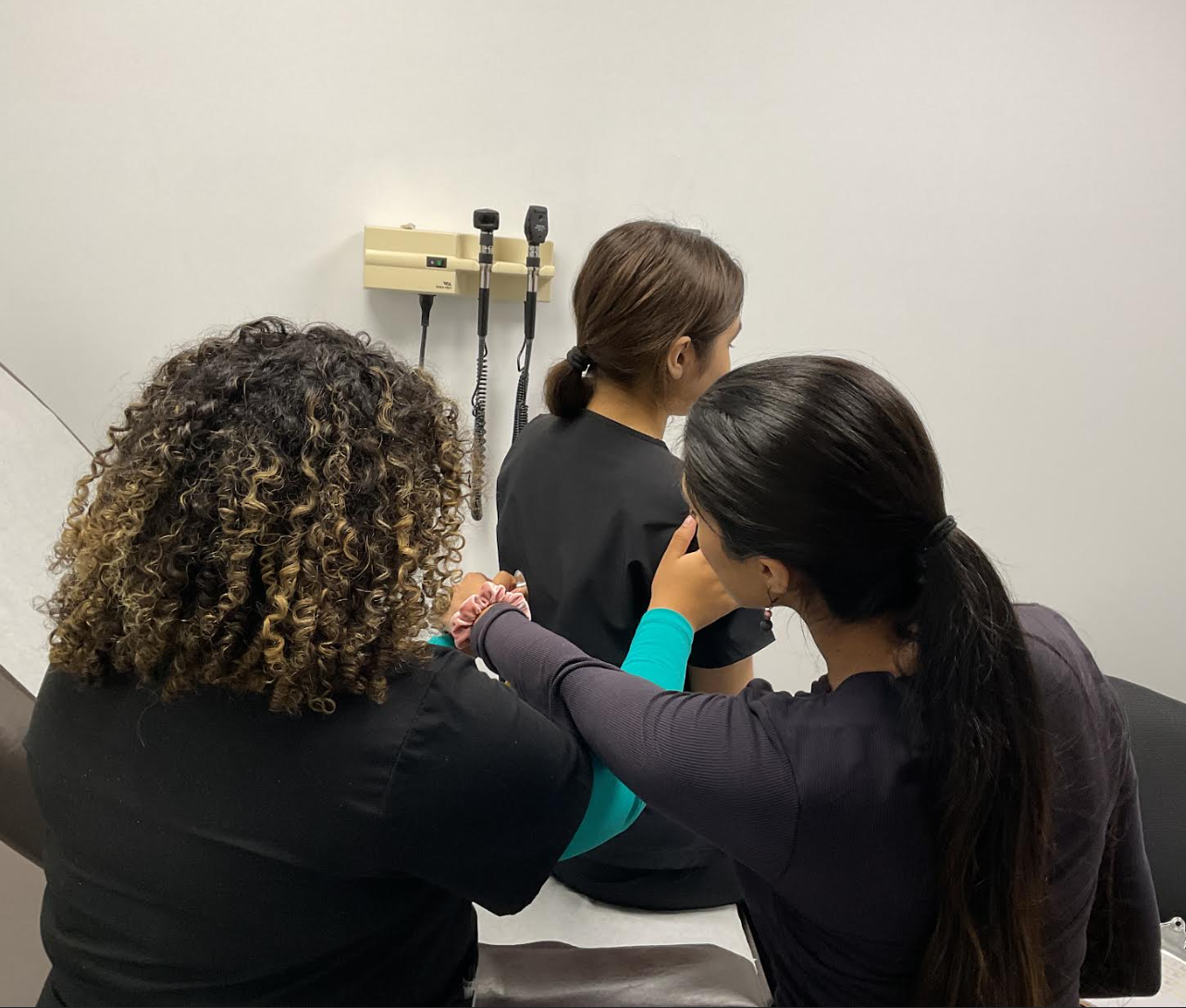
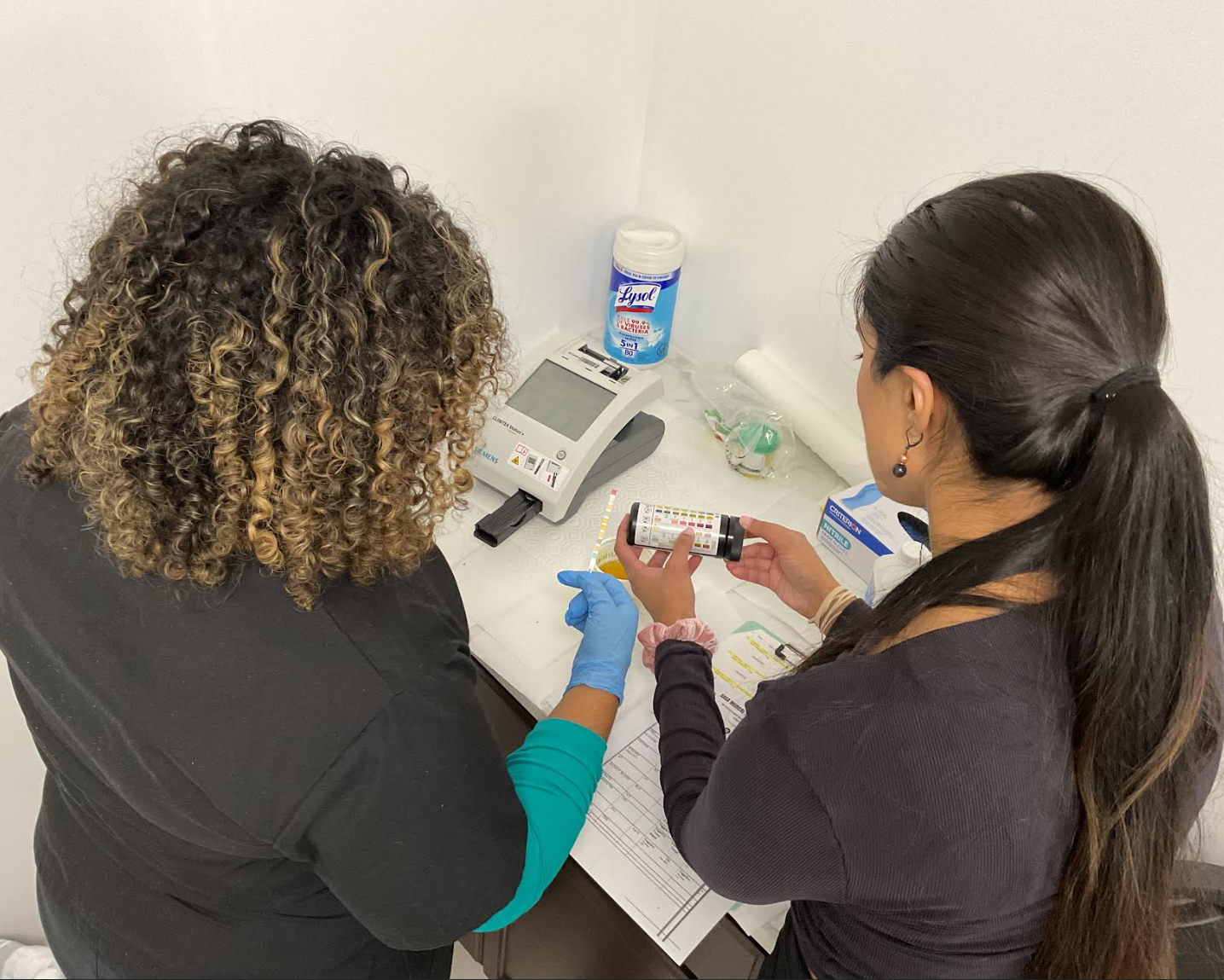
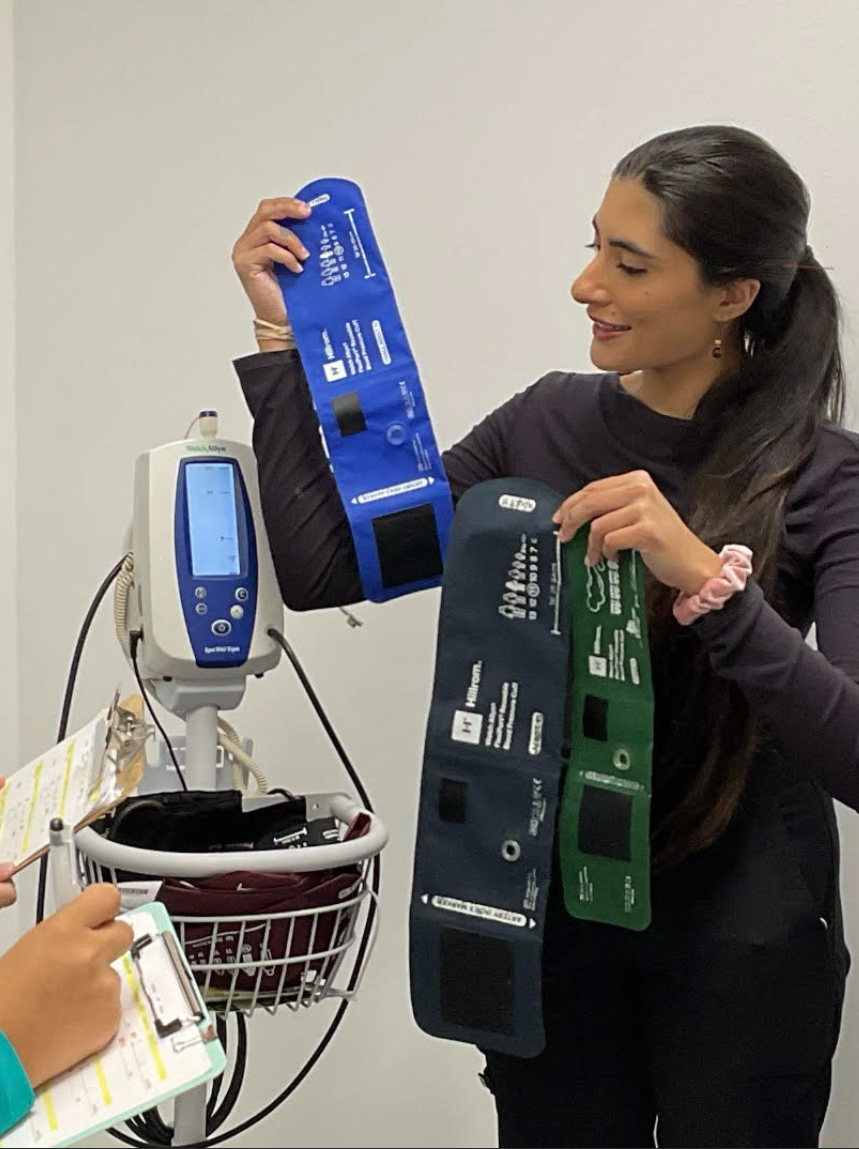
In the summer of 2023, after our primary receptionist retired and our medical assistant left shortly afterward, I stepped into both roles. Along with managing the front desk, I learned to obtain and document pediatric vital signs, perform in-office urinalysis testing, prepare patients for their visits, and work directly with children of different ages and developmental needs.
Moving from administrative work to direct patient interaction gave me a new perspective on healthcare and strengthened my interest in medicine. I learned that good patient care requires more than clinical knowledge—it also requires patience, adaptability, communication, and an understanding that every patient and family needs to be approached as an individual.
By the end of 2023, I had experienced AAGA from both the administrative and clinical sides. I had no idea that my role was about to change again, this time requiring me to help lead the practice itself.
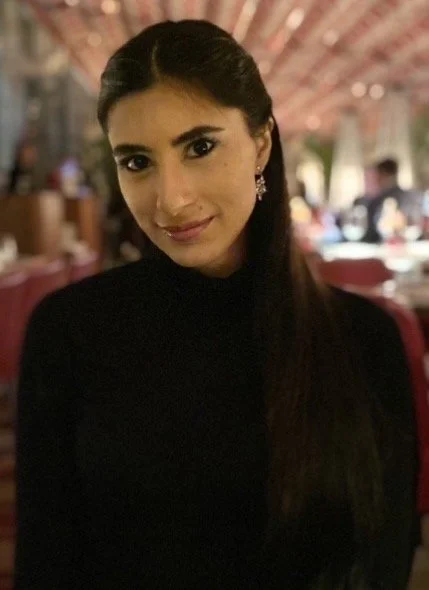
Hi, I’m Alejandra.
Growing Into Leadership
In November 2023, my grandmother—AAGA's longtime Practice Manager—passed away from cancer.
Her passing left an enormous personal and professional loss. She had managed nearly every aspect of the practice, and many of those responsibilities suddenly became mine while I was still completing my undergraduate education.
I had to teach myself how to manage billing problems, credentialing, insurance participation, Medicare and Medicaid systems, hospital requirements, licensing, contracts, vendors, staffing, and countless other responsibilities. I made mistakes, asked questions, sought outside expertise, and learned how to find solutions when I did not know the answer.
During this period, AAGA also faced repeated office relocations, staffing difficulties, and financial challenges. Each new problem required me to learn another part of healthcare administration. Eventually, processes that once overwhelmed me became processes I knew how to manage.
There was a time when I genuinely feared that AAGA might collapse while I was responsible for helping hold it together. Instead, the experience taught me resilience, resourcefulness, and one of my most important lessons about leadership: leadership does not always mean knowing what to do. For me, it usually means accepting the responsibility for finding out.
The Story of BHEI
Why I Created BHEI
For years, friends interested in medicine had asked whether they could shadow my father. At the same time, I frequently heard classmates discuss how difficult it was to find physicians to shadow or obtain meaningful clinical experience.
That made me recognize something I had taken for granted: I had spent my entire life surrounded by healthcare professionals, while many equally motivated students had no connections into the medical field.
I wanted to use the access I had been fortunate enough to receive to create access for someone else.
In May 2026, once AAGA had already been stabilized, I founded the Beharrie Healthcare Education Initiative (BHEI) and began by introducing the opportunity to fellow FIU students.
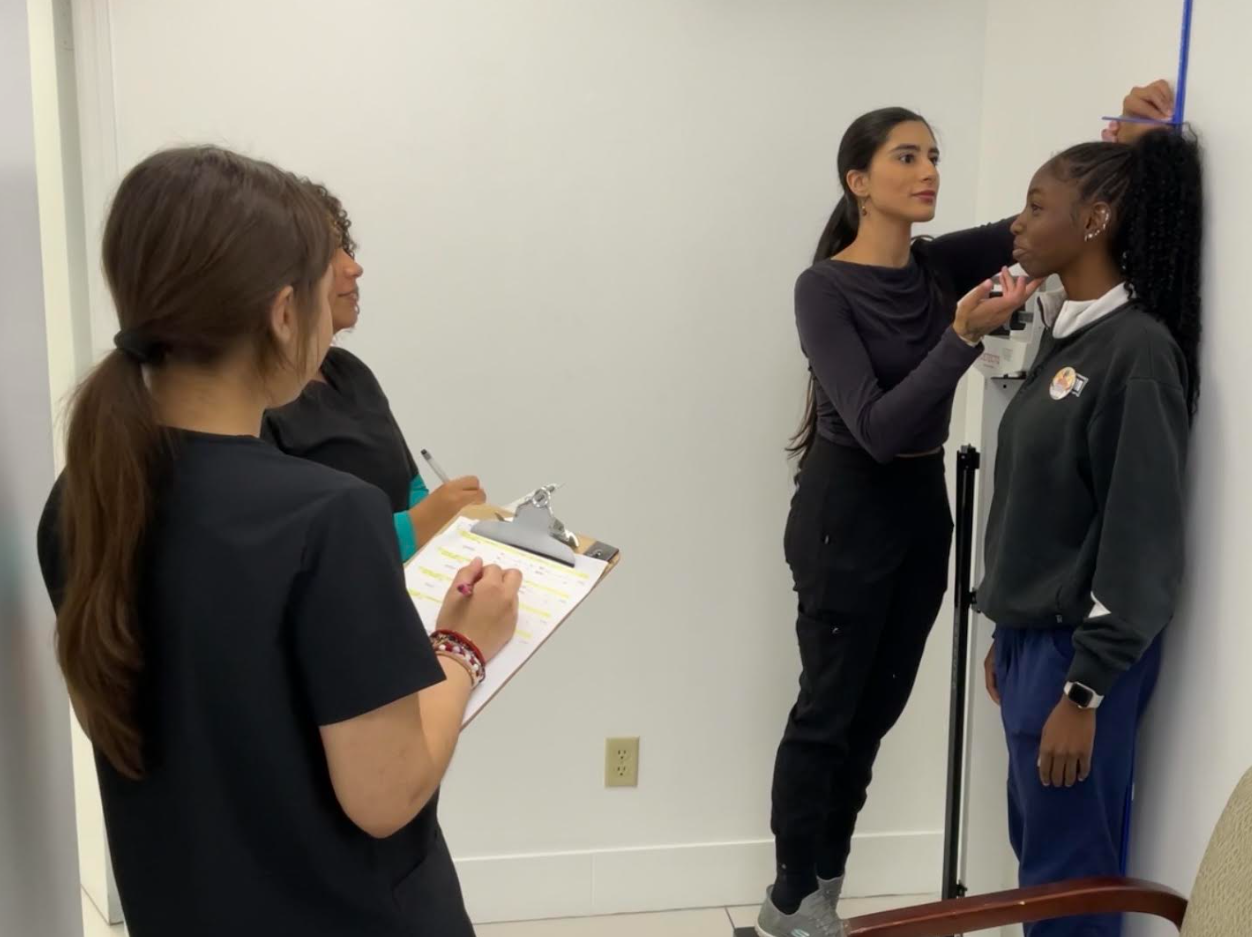
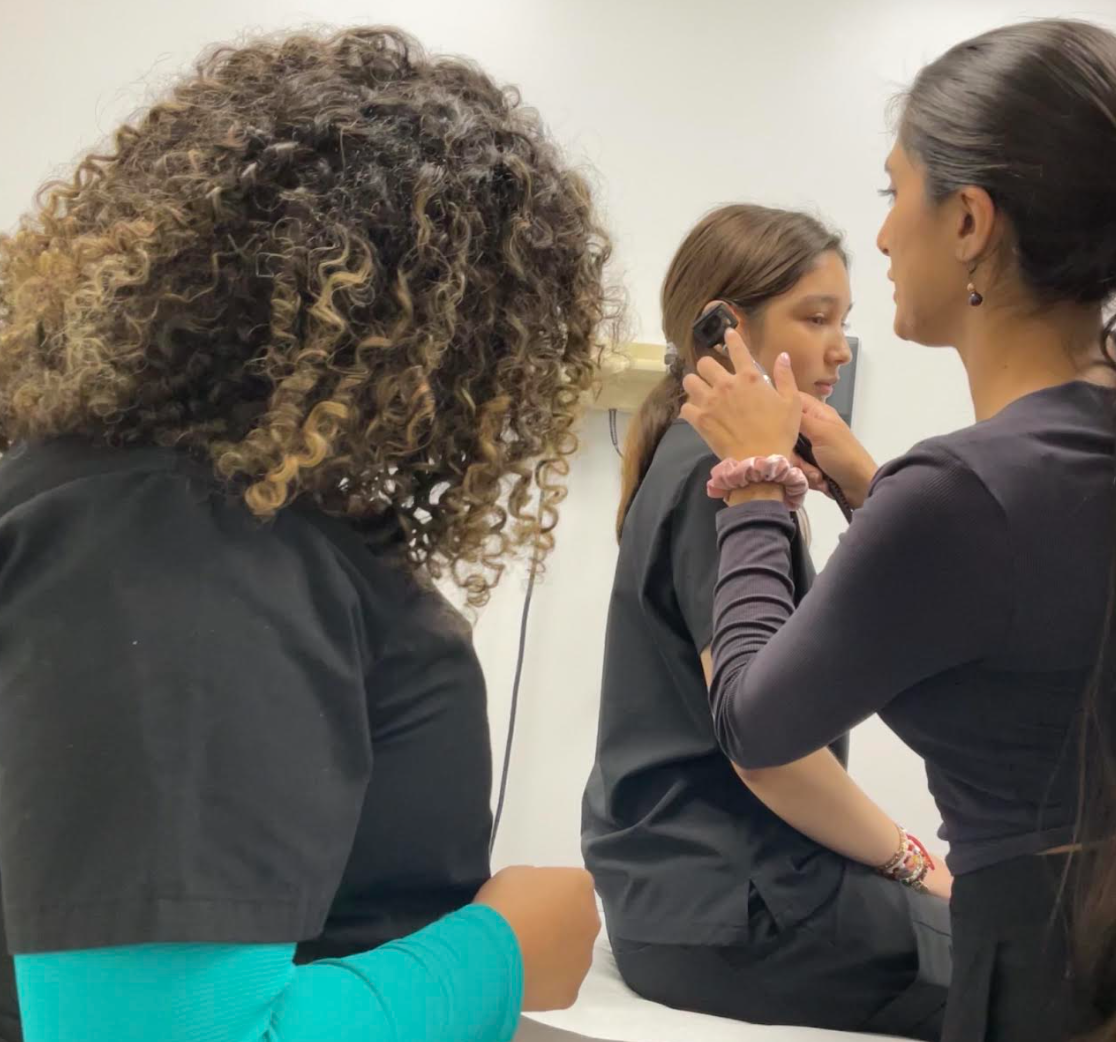
I designed BHEI to be more than traditional observational shadowing. Drawing from my years of administrative and clinical experience, I created a structured five-day Pediatric Physician Shadowing Program with progressive learning objectives, educational resources, experience verification, professionalism standards, and documented healthcare hours.
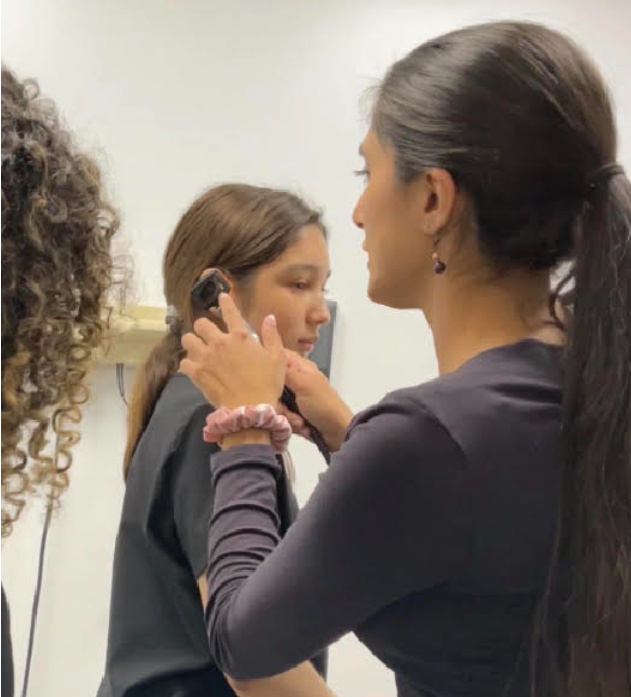
I also wanted to be personally involved. While the physician provides clinical supervision and medical teaching, I help prepare and mentor students throughout the experience—introducing them to clinical workflow, pediatric vital signs, urinalysis, medical terminology, patient communication, history-taking, professionalism, and the many details of healthcare that I learned through years of experience.
Growing BHEI
Since May 2026, in just 3 months, more than 10 students have completed the full five-day program, with several returning for additional shadowing. As of September 1st 2026, more than 20 students are currently enrolled and scheduled for all 5 days, with additional availability continuing into the upcoming months and into the year of 2027.
Until now, I have primarily introduced BHEI through my own FIU classes and student group chats. With the launch of this website and a more formal application and recordkeeping system, I hope to make these opportunities accessible to students beyond my immediate network.
Looking Ahead
I have always envisioned BHEI eventually becoming primarily a summer healthcare education initiative, when students have more time to dedicate to meaningful clinical experiences. I am intentionally using this year to refine the program—developing its website, educational materials, certificates, participant records, application process, clinical partnerships, and long-term structure.
I do not want BHEI to grow simply for the sake of becoming larger. I want it to grow thoughtfully while preserving the mentorship and individualized learning that inspired me to create it.
BHEI brings together many parts of my own journey: growing up around medicine, becoming a healthcare employee myself, discovering my love for clinical care, unexpectedly taking responsibility for a medical practice, and recognizing how difficult it can be for other students to gain meaningful healthcare exposure.
BHEI is my way of turning the opportunities and experiences that shaped me into opportunities for the students coming after me.
My hope is that BHEI allows me to hold that door open for as many aspiring healthcare professionals as I can—and that, as I continue my own journey toward becoming a physician, BHEI continues to grow alongside me.
“BHEI is my way of turning the opportunities and experiences that shaped me into opportunities for the students coming after me.”
— Alejandra Beharrie